Page Quick Links Click and it automatical scrolls to the info.
Hostile free menu
HOSTILE-FREE
ENVIRONMENT
Volunteer Firefighters harassed by Paid Administration
Volunteer firefighters are terrified to come forward.
Here is how the community can safely take the heat off the volunteers:
Copy and use this script.
*"Commissioners or Councilors, I am here as a concerned resident of _______County or City. I have personally witnessed and heard reports from community members regarding severe verbal bullying by paid emergency administration toward our volunteers.
Do not look to the fire stations or firefighters to find out who told me. The volunteers are too terrified of retaliation to speak. They didn’t ask me to come here. I am here as a citizen of the community because I refuse to watch our volunteer fire service get driven out by an abusive administration. I am formally requesting that the County or City Manager initiate an independent, third-party audit of workplace culture to ensure volunteers can communicate with an external investigator securely and anonymously.
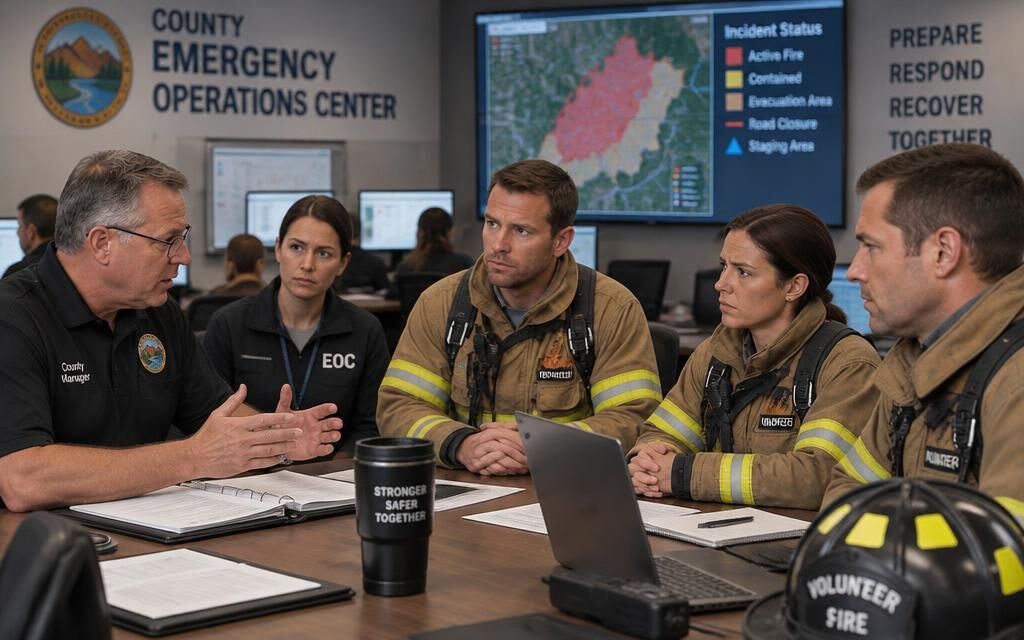
Here is how the community can safely take the heat off the volunteers:
It is completely understandable that the volunteer firefighters are terrified to come forward. In rural areas, volunteers risk losing their certifications, facing retaliation at their day jobs, or seeing their local stations starved of funding and equipment if they speak out against a paid administrative boss.
Because the volunteers are too scared to take the risk, the public must act as their shield. You can fight this verbal bullying on their behalf without forcing any single firefighter to put their name on a complaint.
Take the Blame for the Information
If you or other community members speak at a County Commission or City Council Meeting or contact County or City Manager, explicitly state that you are acting independently.
Use a script that completely protects the volunteers’ identities:
*"Commissioners or Councilors, I am here as a concerned resident of _______County or City. I have personally witnessed and heard reports from community members regarding severe verbal bullying by paid emergency administration toward our volunteers.
Do not look to the fire stations or firefighters to find out who told me. The volunteers are too terrified of retaliation to speak. They didn’t ask me to come here. I am here as a citizen of the community because I refuse to watch our volunteer fire service get driven out by an abusive administration. I am formally requesting that the County or City Manager initiate an independent, third-party audit of workplace culture to ensure volunteers can communicate with an external investigator securely and anonymously.
Flood the Admin with Broad IPRA Requests
If you want to find evidence of how administrators talk to or about staff without pointing fingers at a specific volunteer, a citizen can file a broad Inspection of Public Records Act (IPRA)
- Request "All emails, text messages, and internal memos sent by the Emergency Services Administrator containing the words 'volunteer', 'discipline', or 'morale' over the last 6 months or year if needed".
- Because any member of the public can legally make this request, the administration will have no way of knowing which volunteer (if any) prompted it.
Use the NVFC Third-Party Toolkit
The National Volunteer Fire Council (NVFC) has standard protocols to address these exact types of standoffs. A citizen can print out the NVFC Harassment Toolkit and anonymously mail it directly to the County Commissioners and County Manager with a note stating: "This is standard compliance. ________County or City administration is currently violating these guidelines. Fix it before a lawsuit happens."
By standing up as the public, you shift the target away from the volunteer firefighters and force county leadership to deal with you instead.
File an Anonymous Informal Complaint with the State
- Any citizen can file an Informal Complaint with the New Mexico State Ethics Commission.
- The Key Benefit: This form can be submitted completely anonymously. You do not have to be the victim to report abuse of power, governmental misconduct, or a hostile work environment created by a paid county administrator. State investigators can initiate discretionary reviews based on anonymous public tips. [1, 2]
New Mexico State Ethics Complaint Information Page
File an Informal Ethics Complaint
Submit a Tip to the New Mexico Department of Justice
- A community member can utilize the New Mexico Department of Justice Complaint Portal to submit a tip regarding workplace hostility and bullying that threatens rural public safety. [1]
How can the public help the volunteer firefighters
In New Mexico, conflicts between volunteer firefighters and paid administrative staff often stem from a lack of respect for the volunteer firefighter culture, operational disagreements, or budget control. Because volunteers serve the community at a local level, the public has several effective channels to step in, support them, and hold paid administration accountable.
How can the public help the volunteer firefighters
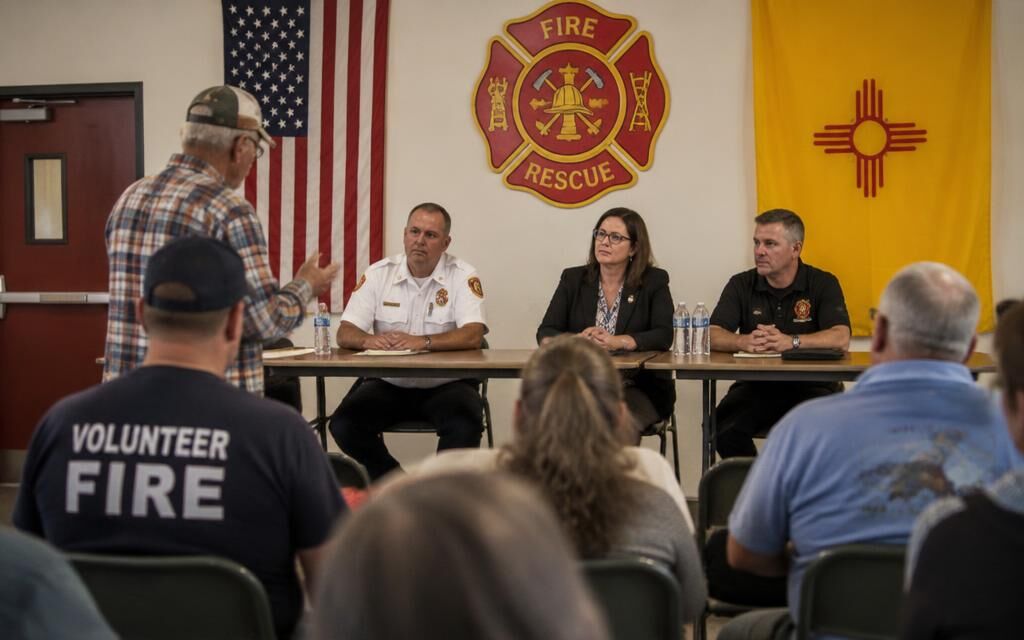
How the public can help protect volunteer firefighters from harassment or hostile administrative practices:
1. Attend and Speak Out at Local Government Meetings
Most volunteer fire departments in New Mexico operate under the oversight of a County Commission or a City/Village Council. Paid administrative officials (like a paid Fire Chief or County Fire Administrator) answer directly to these elected bodies.
Make a Public Comment: Attend the regular local government meetings and use the public comment period to voice concerns. Explicitly name the administration's hostile actions, citing how it hurts morale and endangers public safety.
Expose Retention Issues: Highlight that if volunteers quit due to harassment, the municipality will have to pay millions to hire full-time staff—costs that directly impact local taxpayers.
2. Utilize New Mexico Transparency and Ethics Reporting
If paid administrators are using county or municipal resources inappropriately, bullying staff, or retaliating, several official bodies can investigate.
- File a State Ethics Complaint: If the administration's harassment involves a violation of the State's Governmental Conduct Act or abuse of power, any citizen can file an Informal Ethics Complaint with the New Mexico State Ethics Commission. [1]
- IPRA Requests: Use the Inspection of Public Records Act (IPRA) to request emails, disciplinary records, or internal memos between paid administration regarding the volunteer staff. Forcing transparency often forces administrators to clean up their behavior.
3. Leverage State Legislative Protections
New Mexico has specific state laws recognizing the absolute necessity of volunteers, which the public should champion and remind local leaders of:
- Demand Compliance: Remind local county managers that the state legally values these positions, and local workplace harassment could result in lawsuits violating the New Mexico Human Rights Act. [1, 2]
4. Provide Documentation Support
Volunteers are often hesitant to document harassment because they fear retaliation from paid bosses who hold their certifications or equipment access. NVFCTOOLKIT
- As a citizen or ally, help them document timelines, back up text messages, and write clear statements of incidents.
- Encourage the volunteers to contact the National Volunteer Fire Council (NVFC), which provides tools and resources specifically for combating harassment and discrimination within hybrid or volunteer fire services.
- Fire Rescue 1
5. Media Exposure and Community Backing
Paid administrations hate bad press.
- Write Letters to the Editor in local New Mexico newspapers
- Form a local citizens' advocacy group or social media page specifically dedicated to supporting the local volunteer station. When the public visibly aligns with the volunteers, paid administrators are forced to tread very lightly.
1. Intervene at the County Commission Level
- Pack the Next Commission Meeting: Attend the next scheduled County Commission meeting en masse. Coordinate multiple community members to speak during the public comment period.
- Demand an Executive Session: Ask the County Commissioners to launch an independent investigation into the workplace culture and place the administrator on executive session review for hostile work environment behaviors.
- Contact Commissioners Directly: Call and email your specific district commissioner. Remind them that they rely on your vote, and allowing a paid employee to bully local volunteers is a misuse of taxpayer funds.
2. Request the County's Personnel Policy Manual
Every county in New Mexico is legally required to have an official Personnel Policy Manual or Code of Conduct that strictly prohibits harassment, bullying, and creating a hostile work environment.
- File an IPRA Request: Submit an Inspection of Public Records Act (IPRA) request to the County Clerk for a copy of the county's workplace harassment policy.
- Expose the Violations: Once you have the policy, use it to publicly highlight exactly how the paid administrator's verbal bullying violates the county's own official rules.
3. File Formal Complaints with the New Mexico Department of Workforce Solutions (DWS)
- Encourage DWS/EEOC Reports: If the verbal bullying includes slurs, discrimination (based on age, sex, race, etc.), or retaliation, help the volunteers file a charge with the New Mexico Department of Workforce Solutions Human Rights Bureau.
- Public Support: The public can rally behind these filings by writing letters of support as witnesses to the drop in community safety and department morale caused by the abuse.
4. Target the County Budget
- During county budget hearings, object to any salary increases or budget expansions for the paid fire administration until a comprehensive, anonymous climate survey or 360-degree review of the paid administration is conducted by an outside firm.
5. Utilize Local Media to Name the Administrators
- Contact local county reporters or news outlets. Provide them with specific instances, dates, or recorded evidence of the verbal abuse.
- Frame the story around community safety: if the paid administration bullies the volunteers into quitting, who will answer the 911 calls in your rural county?
County or City Level Verbal Harassment
Volunteer firefighters what can you do?
Volunteer firefighters what can you do?

Because volunteer firefighters in New Mexico are generally not considered regular employees and are explicitly excluded from the state’s career protections (like the New Mexico Firefighter Bill of Rights), they cannot use traditional union grievance procedures.
Depending on the nature of the mistreatment by a county/city manager or paid administrator, a volunteer firefighter can take several lines of action:
File an Internal Grievance Under Local Standard Operating Guidelines (SOGs)
Our research team has been unable to find any ordinance, SOP, or bylaw.
That includes a pathway for a volunteer firefighter to voice or file a grievance of harassment above the paid administration persons. The processes that we have located stops are the very group that may be causing the issue.
If anyone has one, please share it with us. Send us info.
While there is no labor union, municipal and county fire departments almost always have their own internal Volunteer Firefighter Standards or SOGs.
The Process: Review the department’s bylaws or county/city personnel handbook. Most contain a structured internal grievance procedure that allows volunteers to formally document mistreatment and escalate it past the paid administrator to a local board or the county commission.
Submit a Complaint to the New Mexico State Ethics Commission
File a Federal Discrimination Claim (EEOC)
If the mistreatment involves discrimination or harassment based on race, color, religion, sex (including pregnancy and sexual orientation), national origin, age, or disability, volunteers can seek federal protection.
The Legal Basis: Federal courts and the Equal Employment Opportunity Commission (EEOC) have routinely ruled that if volunteer firefighters receive any form of significant benefits—such as stipends, retirement points, call pay, or length-of-service awards—they may be considered "employees" for the purposes of federal anti-discrimination laws. If covered, retaliation for reporting such behavior is also strictly illegal. Fire Law Blog
File a Civil Lawsuit Under the New Mexico Civil Rights Act (NMCRA)
If a city or county administrator violates a volunteer’s constitutional rights (such as retaliating against them for exercising Free Speech, or depriving them of due process without a fair hearing), the volunteer can sue the government entity directly.
The Advantage in NM: New Mexico passed the New Mexico Civil Rights Act (NMCRA), which abolished the defense of qualified immunity for government actors under state law. This makes it significantly easier to hold local public managers personally or institutionally accountable for civil rights violations in state courts
Utilize Whistleblower Protections
Seek Advocacy Through the National Volunteer Fire Council (NVFC)
The National Volunteer Fire Council provides toolkits, resources, and sometimes legal direction for volunteers facing hostile work environments. They can guide a volunteer on how to effectively document the hostile environment.
Can a Volunter Firefighter talk to a elected Official
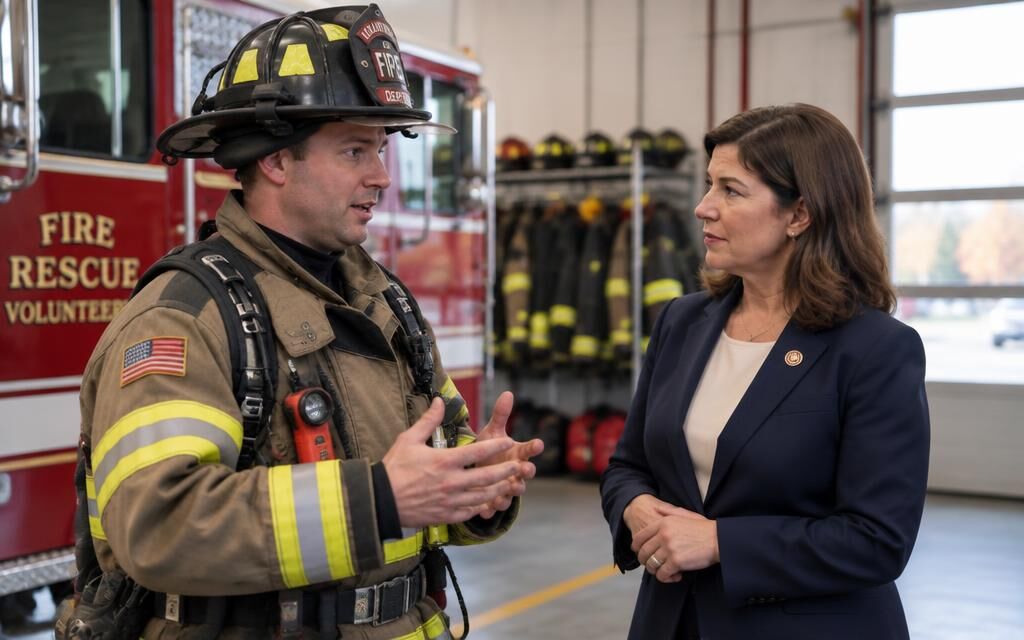
In New Mexico can volunteer firefighter go over the city or county manager According to New Mexico Municipal League.
In New Mexico, a volunteer firefighter cannot bypass the established administrative chain of command to go over the head of a city or county manager without violating local department rules and standard organizational governance.
Administrative Authority: City and county managers oversee all departments, operations, and non-elected personnel within local government structures.
According to the New Mexico Municipal League
Administrative Reporting: The Fire Chief answers directly to the city or county manager. Bypassing the chief and the manager disrupts administrative order and can lead to disciplinary action or dismissal from the volunteer service.
According to the New Mexico Municipal League
In New Mexico, can a volunteer firefighter go over the paid administration, city or county manager and speak to their elected official
Yes, a volunteer firefighter in New Mexico can legally bypass the city or county manager to speak directly to an elected official, as this right is broadly protected by the First Amendment and the New Mexico Whistleblower Protection Act (NMWPA)
Yes, a volunteer firefighter in New Mexico can legally bypass the city or county manager to speak directly with elected officials about harassment, but doing so comes with significant procedural risks and limitations.
Under the First Amendment of the U.S. Constitution, public employees and volunteers retain the right to speak out as citizens on matters of “public concern.” However, how the law treats this communication depends heavily on whether the harassment is viewed as a personal workplace grievance or a matter of systemic public wrongdoing.
New Mexico Whistleblower Protection Act (NMWPA)
Constitutional & Whistleblower Protections
- The Public Concern Test: If you approach a City Councilor or County Commissioner to report that harassment from paid administrative staff is damaging the fire department's operational readiness, wasting taxpayer funds, or creating public safety hazards, your speech is generally protected under the First Amendment.
- The New Mexico Whistleblower Protection Act (WPA): The New Mexico WPA protects individuals who disclose unlawful acts, gross mismanagement, or public safety dangers to a third party or elected body. However, a ruling by the New Mexico Supreme Court clarified that WPA protections apply only if the disclosure confers a clear benefit to the public. If the meeting with the elected official focuses solely on a personal human resources conflict or an individual employment grievance, it may not be legally protected from retaliation under the WPA
Local Ordinances and Chain of Command
While state and federal laws protect specific types of speech, local government structures introduce other hurdles:
- The "Chain of Command" Policy: Most New Mexico municipalities and counties operate under standard personnel policies or local ordinances requiring all personnel (including volunteers) to follow a strict chain of command (typically ending at the City or County Manager). Bypassing this chain for a routine internal HR issue can be deemed insubordination, potentially resulting in disciplinary action or dismissal from the volunteer department.
- Elected Officials' Restrictions: In many "Council-Manager" or "Commission-Manager" forms of government in New Mexico, local charters explicitly prohibit elected officials from interfering in day-to-day administrative or personnel matters. Even if you speak to an elected official, they may legally be forced to refer the matter right back to the City or County Manager.
Recommended Next Steps
- Document Everything: Keep a detailed, written log of dates, times, specific statements, and any witnesses to the harassment.
- Review the Local Charter: Check your local city or county personnel handbook. Look for specific policies regarding harassment reporting, anti-retaliation policies, and the strictness of the chain of command.
- Frame the Issue Externally: If you speak to an elected official, emphasize how the administrative staff's behavior impacts public safety, volunteer retention, and community risk, rather than just individual interpersonal conflict.
- File Official HR Reports: Concurrently file a formal complaint with the local Human Resources department or the New Mexico Department of Workforce Solutions Human Rights Bureau to establish an official, legally recognized paper trail. [1]
Types of Hostile Environments
Volunteers Harassed and/or Disrespected by Paid Administration
Our research team has been unable to find any ordinance, SOP, or bylaw.
That includes a pathway for a volunteer firefighter to voice or file a grievance of harassment above the paid administration persons. The processes that we have located stops are the very group that be causing the issue.
If anyone has one, please share it with us. Send us info.
Impacts on Departments and volunteer firefighters
Hostile Environments:
Unchecked harassment causes lower morale, higher attrition, and severe operational dysfunction.